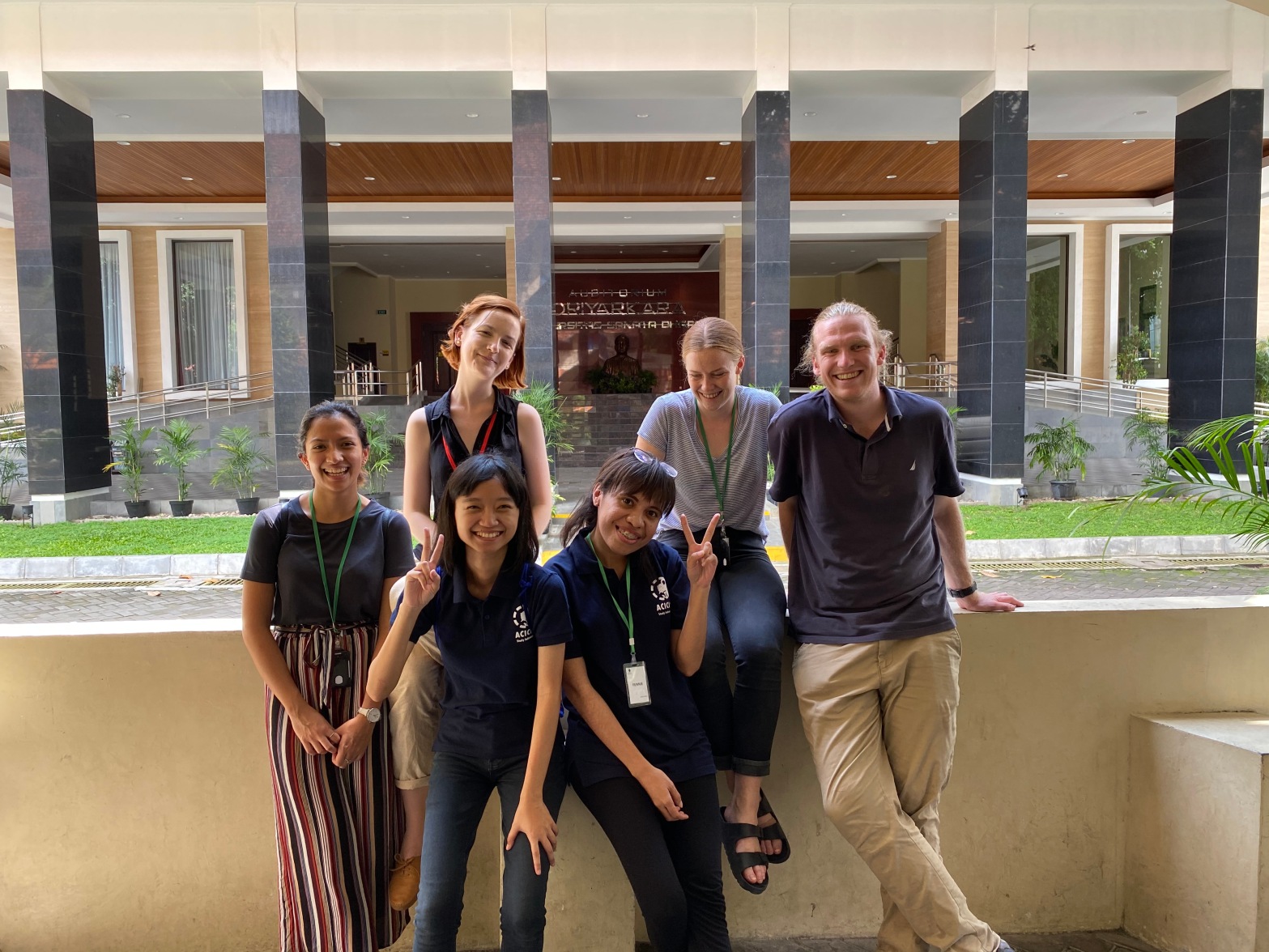
Here I am, half way through my placement with Plan International. I started this internship with wide eyes and, what I thought was a really good understanding of the differences in work culture and values in Asian countries, more specifically those dappling in poverty. My work in Borneo, rural Bangalore, and South Africa grounded me and developed my sense of cultural principles in different professional environments. But what I’ve been presented with in Jakarta has challenged me greatly in a way I was not prepared for.
I am an incredibly task orientated person, something I believe has been socially constructed by western values into the way I was raised and educated. My work ethic, in this regard, was challenged upon arriving at the office. I was presented with the task of no task. My mentor communicated to me that she had no outline of what to expect from me or what I expected from her and so she was simply going to have me come into the office as I pleased to speak to different people about their projects. This meant that I was only to come into the office two or three times a week for an hour or two and in the mean time to conduct my own research at my pleasure and communicate with questions as they came to me. This greatly frustrated me as I arrived with the expectation to have work thrown at me and to be professionally challenged in this environment. To overcome this frustration, I let myself find peace with the differences in work ethics and did some research. Sparrow, Chadrakumara and Perera coined a term, “organisational citizenship behaviour (OCB)” (2010) to address the different roles that societal values have on work ethic in businesses. The article they published, “Impact of work values and ethics on citizenship and task performance in local and foreign invested firms: A test in a developing country context”(Sparrow, Chadrakumara & Perera, 2010), also discusses that “cultural values do indeed play a role in encouraging or dissuading OCBs” (Sparrow, Chadrakumara & Perera, 2010). This explains the inherent factor that “in business management they tend to mix Asian traits with Western management philosophies and practices” (Sparrow, Chadrakumara & Perera, 2010), which reflects upon a somewhat obscure and ambiguous working culture.
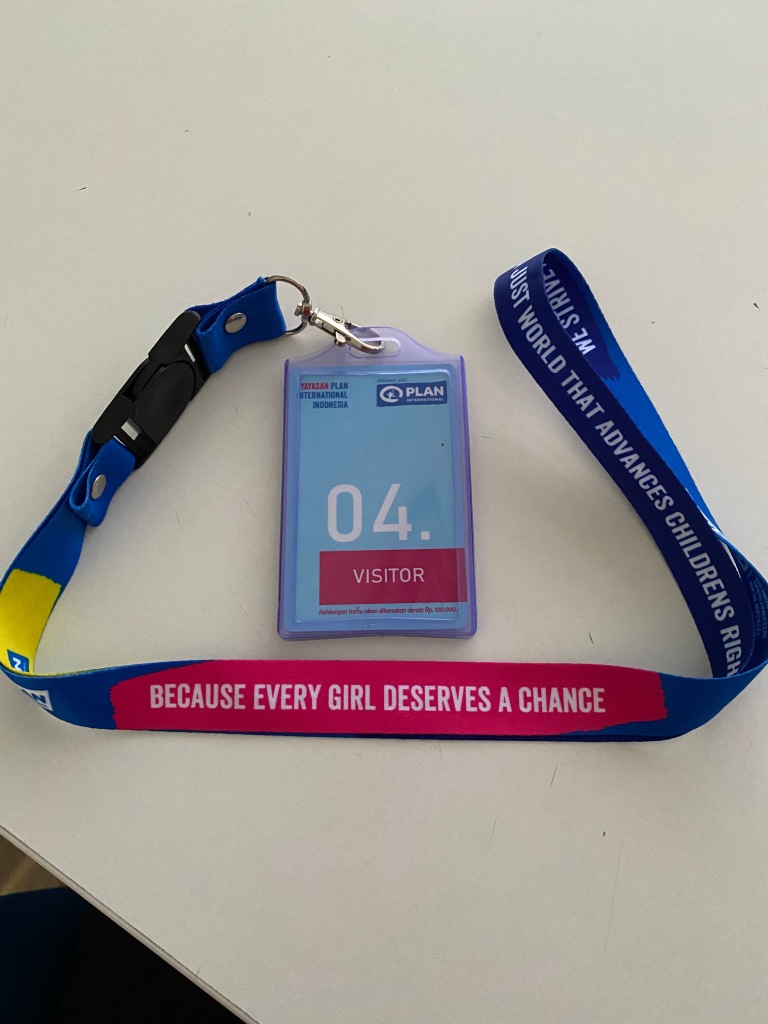
Upon reflection of my attitude with this new revelation, I have connected with some of the qualities mentioned in Gardner’s (2008) article such as “identifying new problems/alternative solutions” and “interacting with people who hold different interests, values, or perspectives” (Gardner et al, 2008) to really challenge myself on a personal and professional level and not let my learning outcome be affected by my old expectations. Professionally, I have been revising and researching the Green Skills II Project of Plan International and contrasting that project with other projects I have worked on in order to create feedback and constructive criticism for the project but I have been challenged by my lack of experience in such a field of feedback and constructive criticism so this was a huge learning experience for me. However, I have challenged myself to think positively about my input and feel confident that I have achieved this.
I’m really eager to turn this challenge into a really great positive experience, and I’m confident that I can alter my old expectations to really push myself to dig deeper into this experience.

Bibliography:
Sparrow, P, Chadrakumara, A & Perera, N 2010, ‘Impact of work values and ethics on citizenship and task performance in local and foreign invested firms: A test in a developing country context’, Centre for Health Service Development – CHSD, Pp. 1-25
Gardner, P, Gross, L, Steglitz, I 2008, “Unpacking your study abroad experience: Critical reflection for workplace competencies”, Collegiate Employment Research Institute, Vol. 1, No. 1, Pp. 1-11
 Alexandra Hall